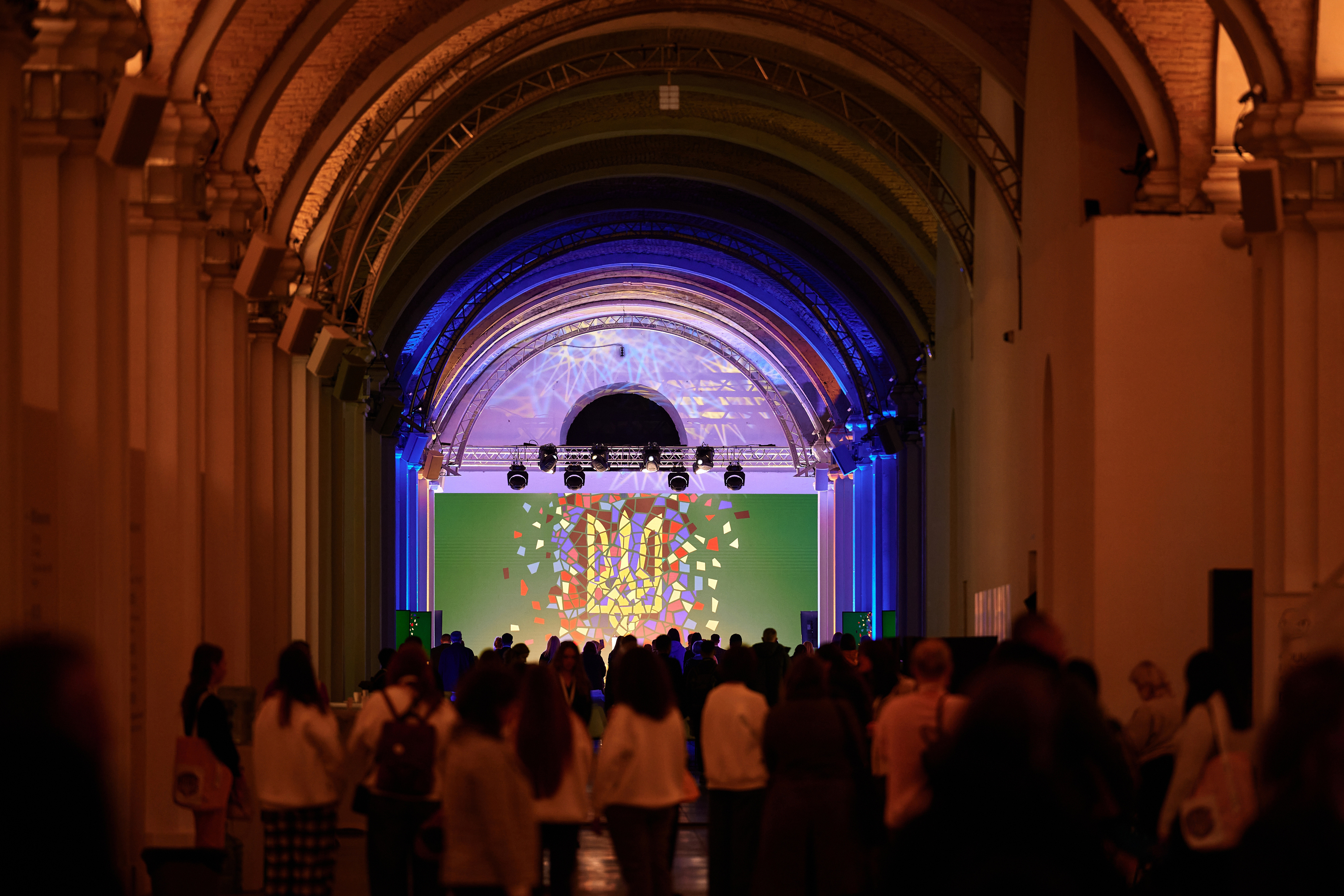
On December 5, 2025, on International Volunteer Day, the XIV Civil Society Forum took place at Mystetskyi Arsenal in Kyiv. It is one of the largest annual events for dialogue between civil society, government, business, and international partners. The Forum brought together more than 4,000 participants and over 200 speakers, who discussed ongoing and new initiatives, security, innovation, trends, and development prospects for Ukraine during wartime.
The central focus of the event was the Ukrainian agency, unity, and a strategic vision for the future. The Forum's title withStand, used for the second consecutive year, reflects the reality of a protracted war and the need to cultivate new resilience in partnerships.
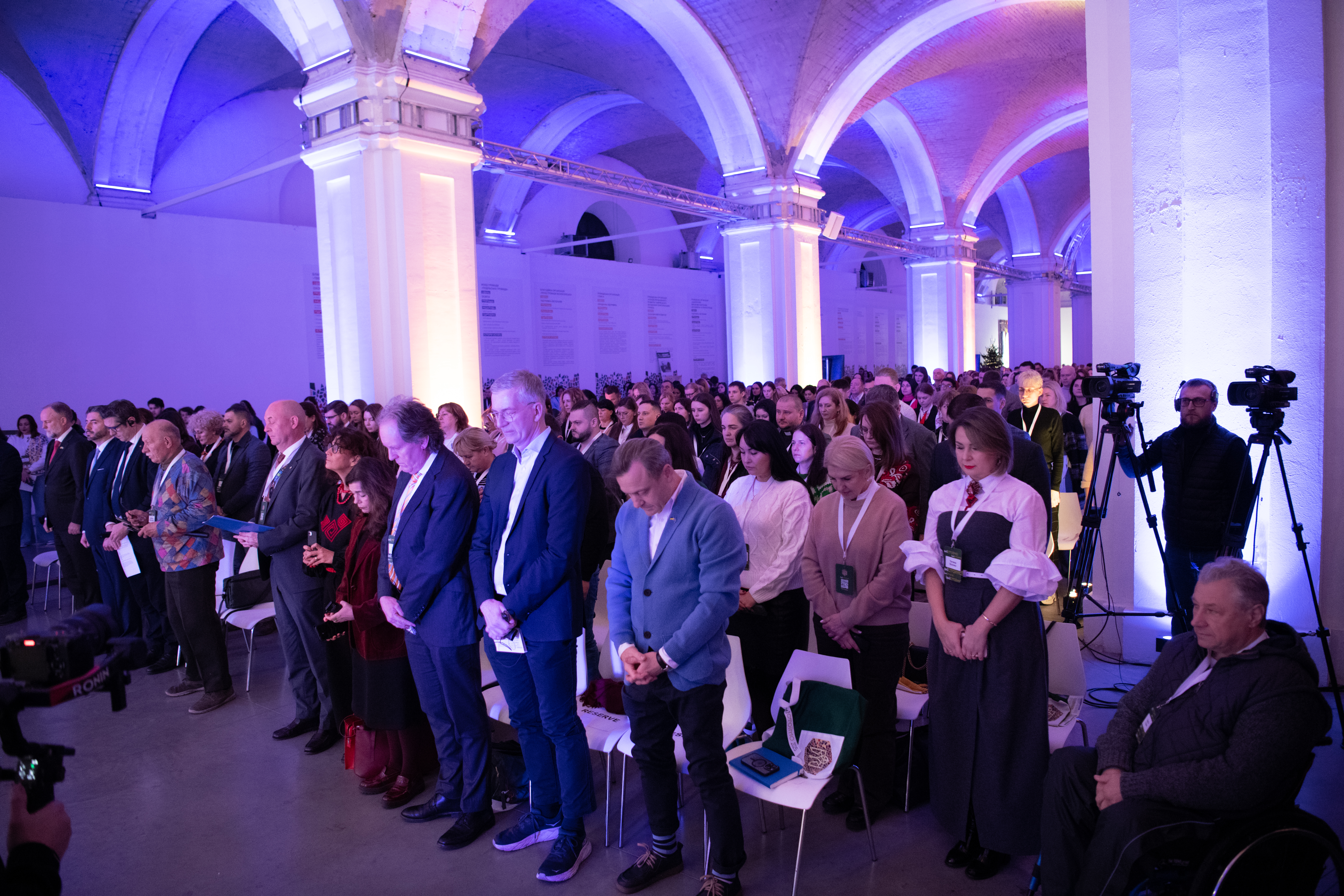
Welcome remarks were delivered by Martin Öberg, Ambassador Extraordinary and Plenipotentiary of the Kingdom of Sweden to Ukraine; Semund Haukland, Head of Development at the Royal Norwegian Embassy in Ukraine; Andrew Ockenden, Development Director at the British Embassy in Ukraine; Stefan Schleuning, Head of Cooperation at the Delegation of the European Union to Ukraine; and Auke Lootsma, UNDP Resident Representative in Ukraine.
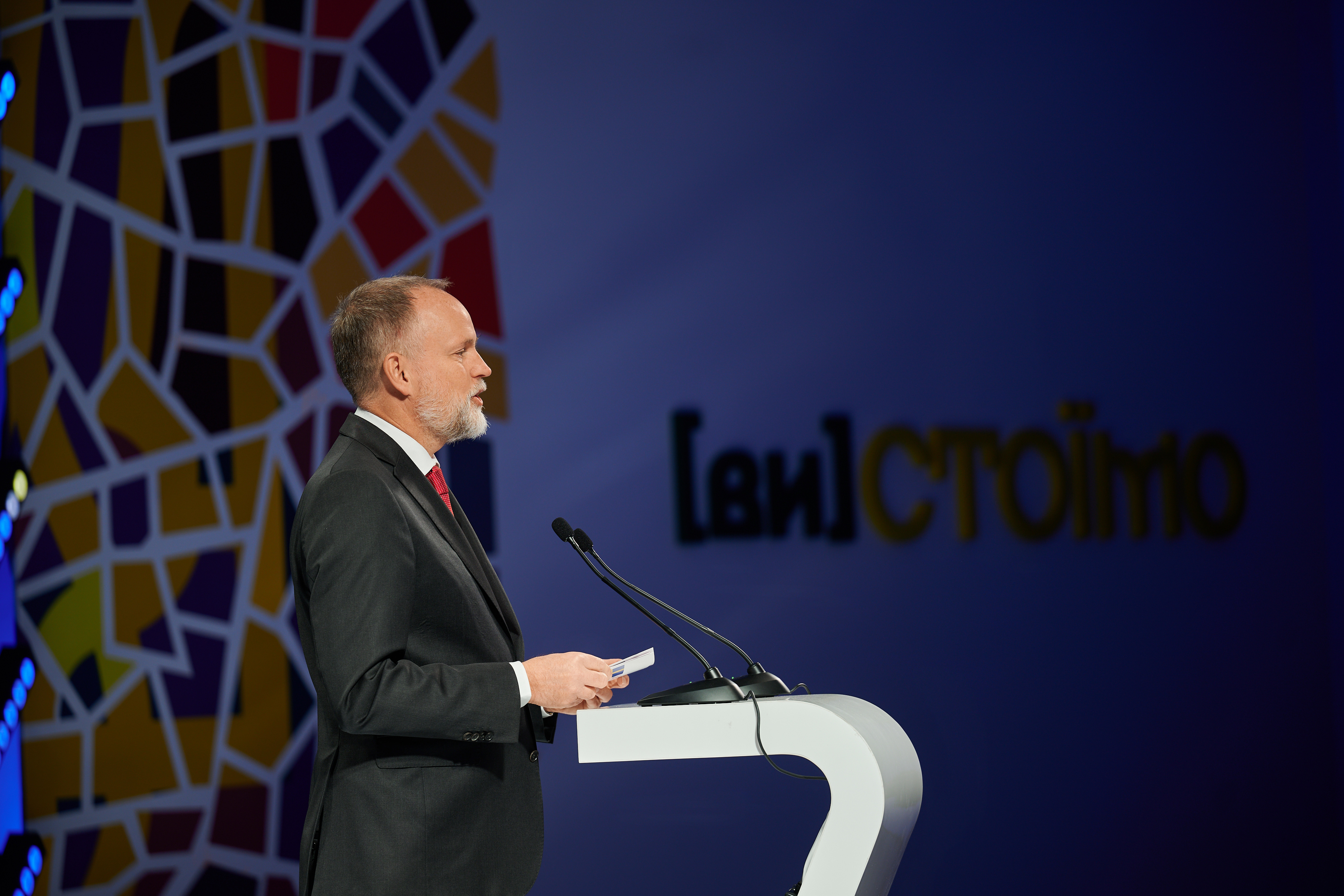
“Ukrainian civil society has demonstrated extraordinary leadership from supporting displaced persons and combating corruption to strengthening government oversight, advancing European diversity platforms, promoting inclusion, youth engagement with the local government, and keeping the spirit of volunteers at the moment, which is particularly meaningful today, on International Volunteer Day,” noted Martin Öberg.

The keynote address was delivered by public intellectual and defender Pavlo Kazarin, who emphasized that civil society is a cornerstone of democracy and Ukrainian victory. He highlighted the importance of safeguarding the alliance between those defending democracy and those defending the country, as this partnership shapes the future.
Kyrylo Budanov, Chief of the Defense Intelligence of Ukraine, emphasized during a panel discussion that Ukraine’s experience of modern warfare is being studied by leading states worldwide and will shape the future collective security system. He called for continued democratic development, support for domestic production, and strengthening of the armed forces as essential pillars of resilience.
Strategic conversations on security, international alliances, localization, and Ukraine’s future took place on the main stage. The second stage hosted discussions on maintaining ties with Ukrainians living under occupation, integrity in education, cooperation between business and civil society during wartime, and necessary changes in veteran policy.
The War Lecture Hall brought together voices of those who not only analyze events but live through them on the frontline or in the rear. Oksana Zabuzhko spoke about the power of words and the role of culture as a moral force. Pavlo Klimkin focused on citizen diplomacy and the role of civil society in shaping Ukraine’s international reputation. In a public interview, Serhiy Prytula reflected on trust, mutual support, and risks of political debate during war. Glib Bityukov shared stories of dignity and humanity from the frontline and hospitals. In an open conversation with Olena Herasymiuk, speakers discussed memory, loss, and the inner cost of resistance borne by those who hold the frontline in culture, volunteerism, and civic action. These conversations offered deeper insight into how the war reshapes society and each of us.
Seven thematic sections served as practical hubs for solutions and case studies, spanning fundraising, community engagement, media, and organizational resilience. “All the Money in the World” focused on financial sustainability and partnerships, “Interesting Uninteresting Content” on media literacy and impactful communication, and “From Prompt Response to Sustainable Solutions” on process management, institutional support, and decision-making under pressure. “World, Listen Carefully!” focused on international advocacy and Ukraine’s global voice, “Ukrainian Ukraine” on identity and cultural subjectivity, and “Many Hands Make Light Work” on partnerships between CSOs, business, and communities. At the same time, “Shaping the Future” addressed integrity in cities and new models of reconstruction.
In addition, the Forum hosted a wide range of thematic spaces, including a donor fair, exhibitions of veteran-led and social businesses, an alley of CSOs, a museum in the dark, sports and children's spaces, exhibitions on Crimea, education, and European integration, as well as a mental health space and discussion tables. Participants could find partners, exchange ideas, attend workshops, and support veteran initiatives.
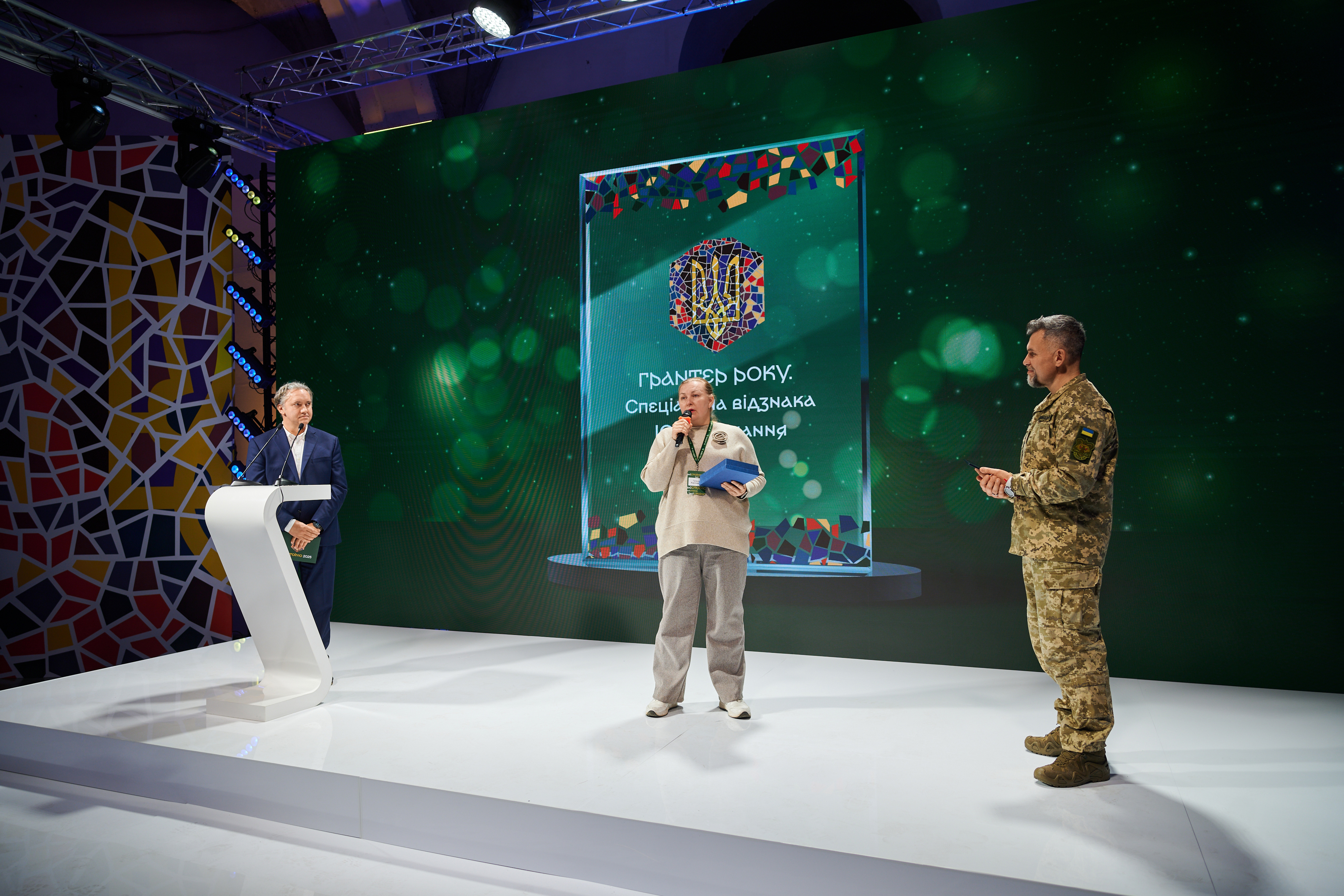
The event concluded with the Awards of 2025, recognizing organizations and teams that strengthen resilience, security, and unity. The award honored initiatives working in defense, social services, child protection, community development, culture, and media.
The Forum reaffirmed that civil society is not an auxiliary actor to the state, but its foundation, partner, and driver of change. Ukrainian resilience is the everyday work of thousands of people and hundreds of organizations, who continue to shape the future even amid uncertainty.