Home
Home
Deputy Chief of Party at USAID 'Ukraine Civil Society Sectoral Support Activity'
About ISAR Ednannia and USAID Ukraine Civil Society Sectoral Support Activity
ISAR Ednannia is a Ukrainian non-profit organization founded in 1997 and officially registered in 1999. Our mission is to nurture and unite leaders of the nation. To accomplish this mission, we develop communities and philanthropy; provide financial support to CSOs; strengthen the capacity of civil society; strengthen the role and promote, and build a platform for interpectoral dialogue and cooperation.
The purpose of USAID's Ukraine Civil Society Sectoral Support Activity (or “Activity” hereafter) is to improve the operating environment for civil society and strengthen the institutional capacities of civil society organizations (CSOs) to advance the self-reliance of the civic sector in Ukraine. ISAR Ednannia implements the Activity as a prime implementing partner in a consortium with the Ukrainian Center for Independent Political Research (UCIPR) and the Centre for Democracy and Rule of Law (CEDEM).
ISAR Ednannia is seeking highly qualified candidates for the full-time Deputy Chief of Party (DCOP) position to join the USAID's Ukraine Civil Society Sectoral Support Activity team in Kyiv. Applications will be accepted by September 27, 2024.
Position Overview:
The DCOP will work with the Chief of Party (COP) to manage the program's implementation and oversee its performance, management, and operations. The DCOP will assist with high-quality, timely, and complete submission of work plans, financial reports, performance reports, etc. S/he will maintain communication and momentum among teams, closely monitor the progress of interventions, and work with MELP & Reporting Manager to ensure the proper operational support for successful implementation. The person in this position is expected to communicate clearly and courteously; and to develop and maintain positive relationships with consultants, collaborators, co-workers, and other donors.
Position Duties and Responsibilities
The DCOP will be responsible for, but not limited to, the following tasks:
- Serve as a senior representative for the project with external stakeholders (ministries, GoU institutions, other projects, and donors) as required by implementation requirements and agreed upon with COP.
- Support the COP in the preparation of annual and activity work plans as outlined in the project design, contract, and deliverables schedule.
- Facilitate the achievement of program objectives and targets with management and technical support.
- Coordinate the work of the program components and ensure appropriate collaboration across all teams.
- Directly supervise and be responsible for the performance of key personnel.
- Support program learning and adaptive management.
- Ensure that project deliverables are technically sound, of the highest quality, delivered on time, and meet specifications as set forth by the donor or the COP.
- Oversee project operations, financial management, grants management, monitoring and evaluation, and communications.
- Demonstrate diplomacy and leadership to foster an atmosphere of teamwork, productivity, creativity, fairness, equity, innovation, and support for diversity.
- Support the COP in all management aspects of the project.
- Serve as acting COP in the absence of the COP, with all technical, administrative, and operational responsibilities.
- Other activities, as required and/or assigned by the COP.
QUALIFICATIONS
- An advanced degree (master’s, PhD, JD) and a minimum of ten years of relevant experience.
- Experience in the successful implementation of international development activities in local governance, decentralization, community development, civic engagement, and service delivery/infrastructure improvement.
- Demonstrated ability to establish strong working relationships with governance sector professionals, including elected representatives and staff at all levels of government, local governance experts, public administration and public finance professionals, engineers, local economic development and service provision experts, civil society, journalists, and other donors.
- Excellent knowledge of written and spoken English.
- Fluency in Ukrainian.
- Strong training design, training delivery, and facilitation skills;
- Exceptional communication and problem-solving skills;
- Strong knowledge of reporting procedures, including USAID, best practices, guidelines, and tools for monitoring, evaluation, and learning, including impact evaluation.
- Demonstrated ability to produce and edit reports and technical documents is required.
To apply for the position, please send your CV in English and your motivation letter to [email protected]. Please, indicate “DCOP USAID Activity” in the subject line of the e-mail. Due to a high volume of applications received, we are unable to contact each applicant individually regarding the status of their application. Only shortlisted candidates will be contacted in response to this job advertisement. After the pre-selection process, the best candidates will be invited for an interview. Only candidates invited to the interview will be informed about the results of the selection in writing.
How do you prove that your project has made a real difference?
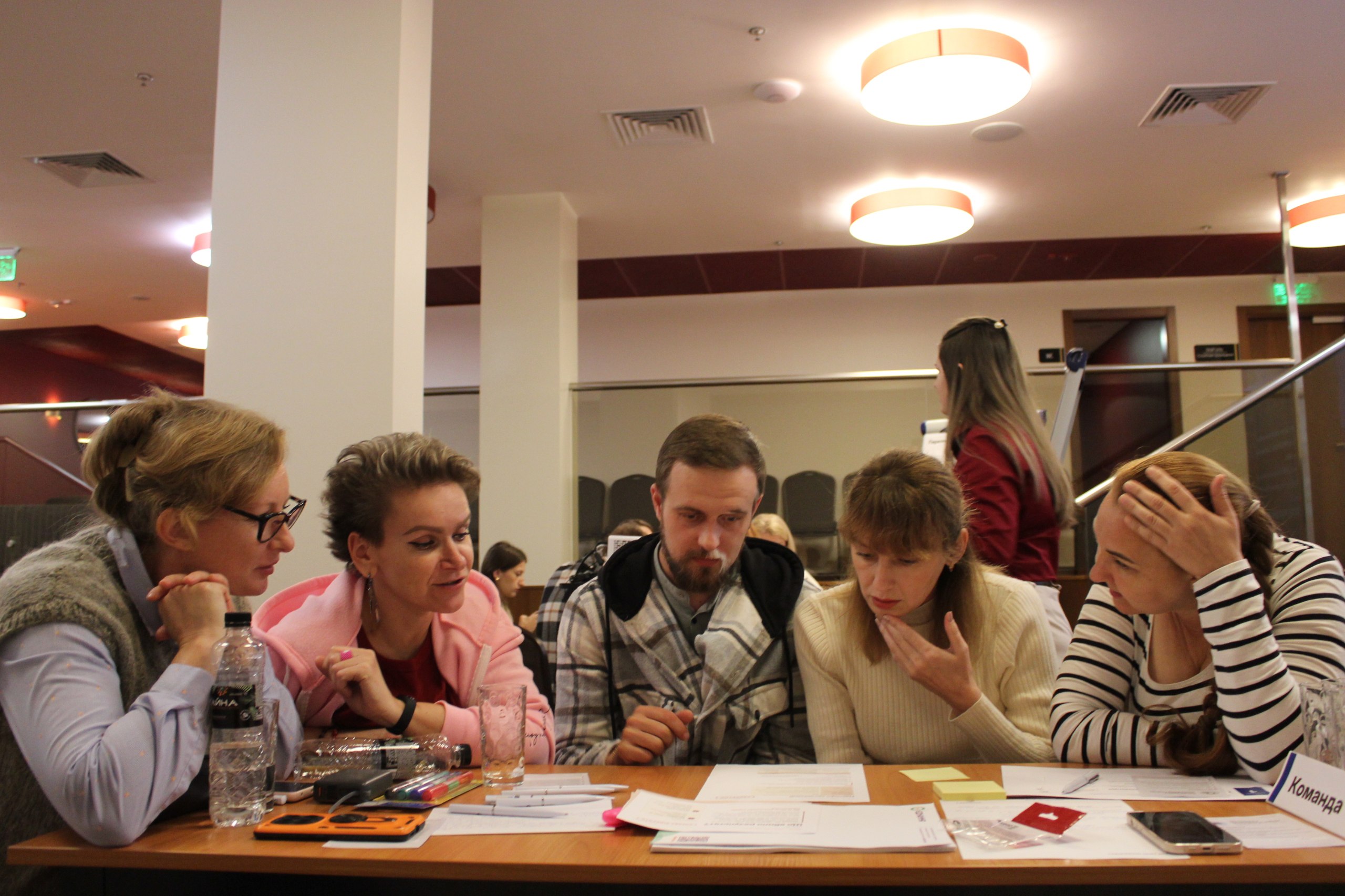
Not just “we held 10 events,” but “here’s what has changed.” This is exactly what participants of the first cohort of the CSO Fund project explored during the second Organizational Development School.
The School was all about hands-on learning. Participants revisited their organizations’ missions, explored the root causes of the problems they address, and learned how to measure change — from developing a theory of change to identifying concrete indicators. Every tool was immediately put to the test using their own projects.
The second day focused on financial management, an essential element of organizational sustainability. To wrap up, participants had an open and honest discussion about what was already working well in the project and what could be improved.
The School was facilitated by ISAR Ednannia experts Marharyta Sydorchuk and Olha Nikolska. We were also joined by Iryna Sharlai from the International Organization for Migration (IOM), who introduced participants to the complaints and feedback mechanism. Members of the IOM team were also present, giving participants an opportunity to ask questions directly.
Thank you to every participant for your openness, thoughtful questions, and commitment to making the most of this learning experience. 💛
The CSO Fund is implemented by the International Organization for Migration (IOM) in partnership with ISAR Ednannia, with financial support from the Government of Canada and the German Federal Ministry for Economic Cooperation and Development (BMZ) through KfW Development Bank.
Registration for the XV Civil Society Forum in Ukraine is now open
We look forward to welcoming you to Kyiv on 1–2 December 2026.
1 December — the main Forum day, featuring the core programme.
2 December — side events held as part of the Forum.
Please note: Registration is currently open for 1 December only.
Due to the security situation and the venue’s limited capacity, the number of participants will be limited this year. Submitting a registration form does not guarantee attendance. We will review all applications and send confirmation emails to those whose participation is confirmed.
Register here
Register by 20 November, and we hope to see you at the XV Civil Society Forum!
Strengthening Local Organizations: How Mentoring Support Helps Communities Advance Recovery and Development
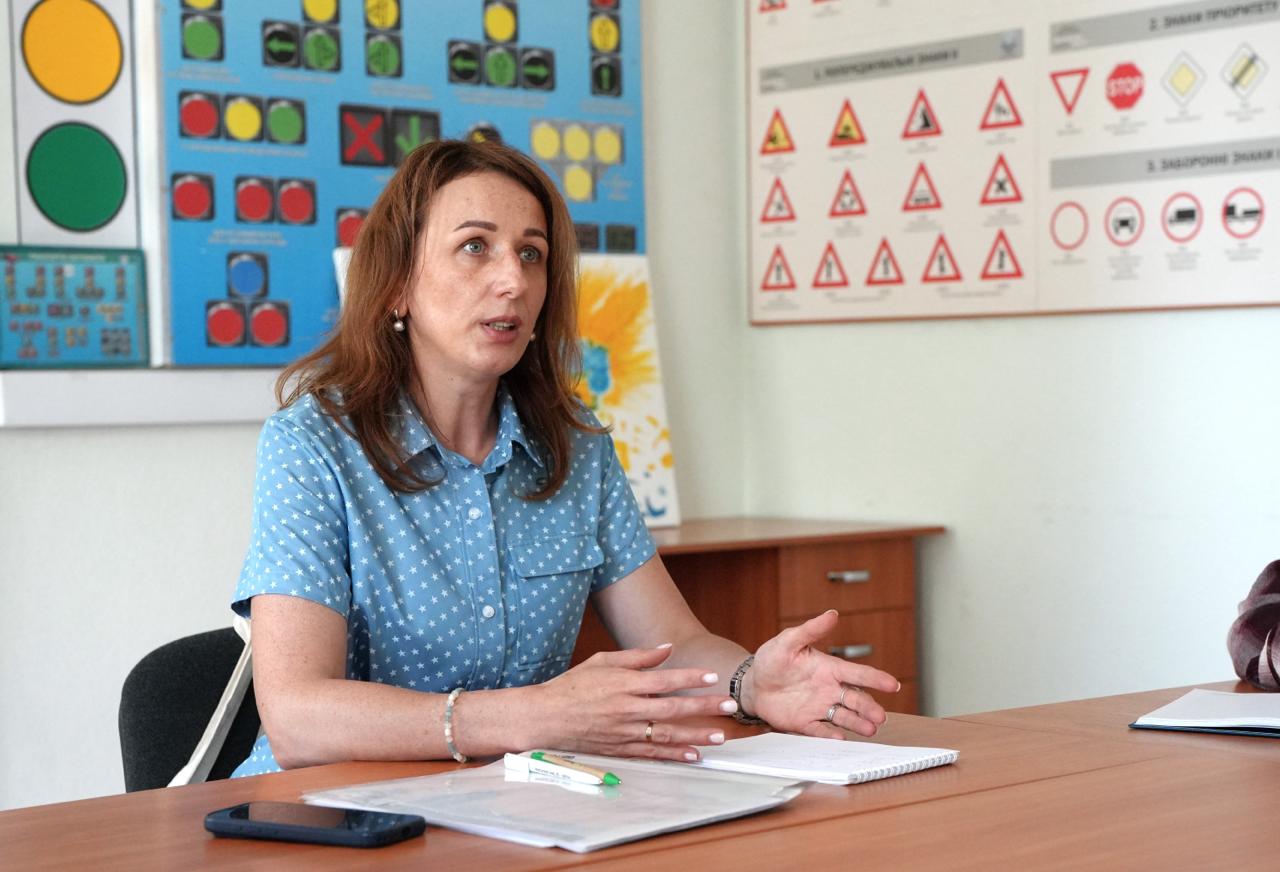
A strong and capable civil society strengthens trust and social cohesion in communities and helps people work together to advance their communities’ development and recovery. This is one of the findings of our Community Development Success Index research and an important focus of the U-RESTORE project. Together with Cowater Ukraine, we are working to ensure that local civil society organizations and community initiatives have greater capacity, tools, and opportunities to shape the development of their communities and contribute to recovery efforts.
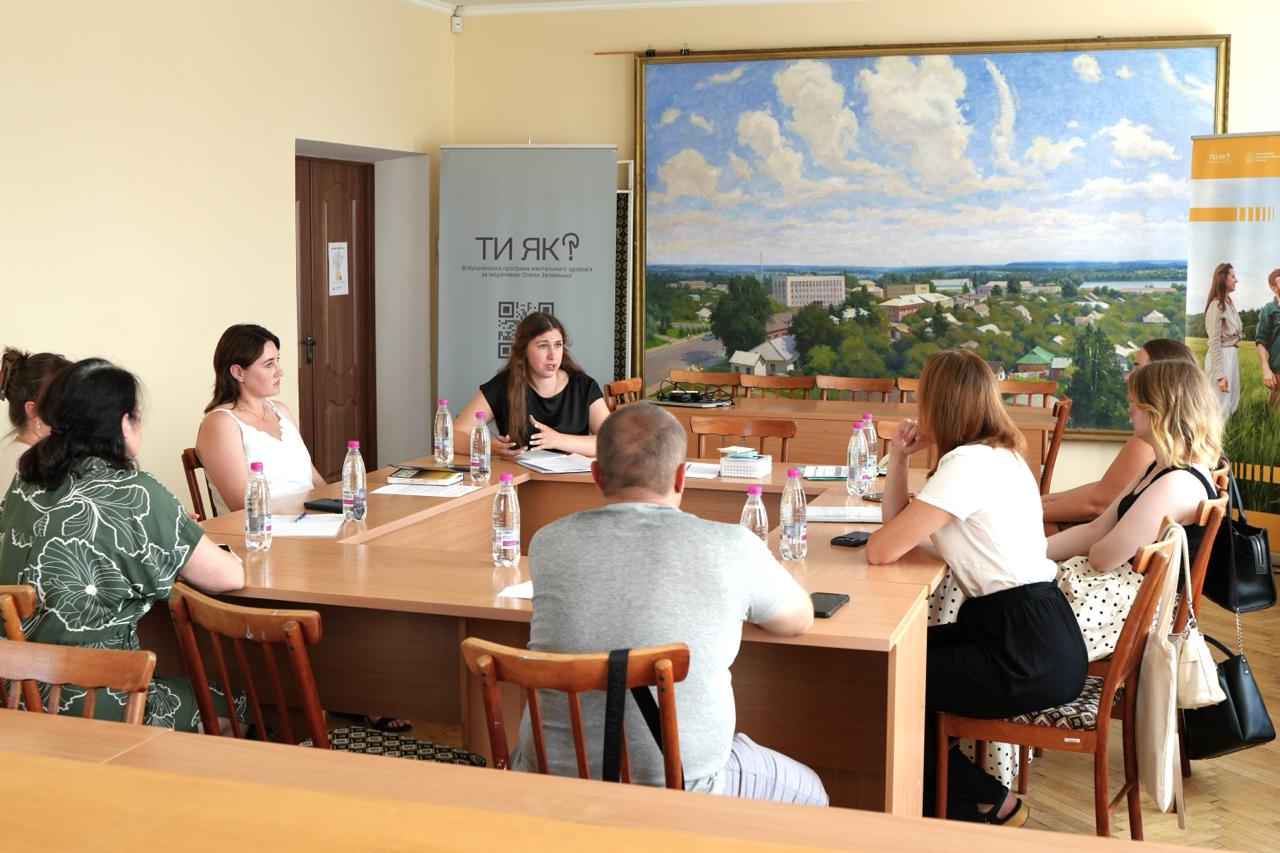
One of these tools is mentoring support. Over the summer, six experts met with 20 civil society organizations and four community initiative groups across communities in Dnipropetrovsk and Zhytomyr oblasts. During the meetings, mentors worked with the teams to identify their strengths, needs, and areas for growth. Based on these discussions, each organization developed an individual organizational development plan. “Some things we already understood, while others were a real eye-opener — we simply hadn’t paid enough attention to them before. The self-assessment helped us identify areas for growth and understand what we should focus on next,” said a representative of the NGO All Flowers Should Grow from Zhovti Vody, Dnipropetrovsk Oblast.
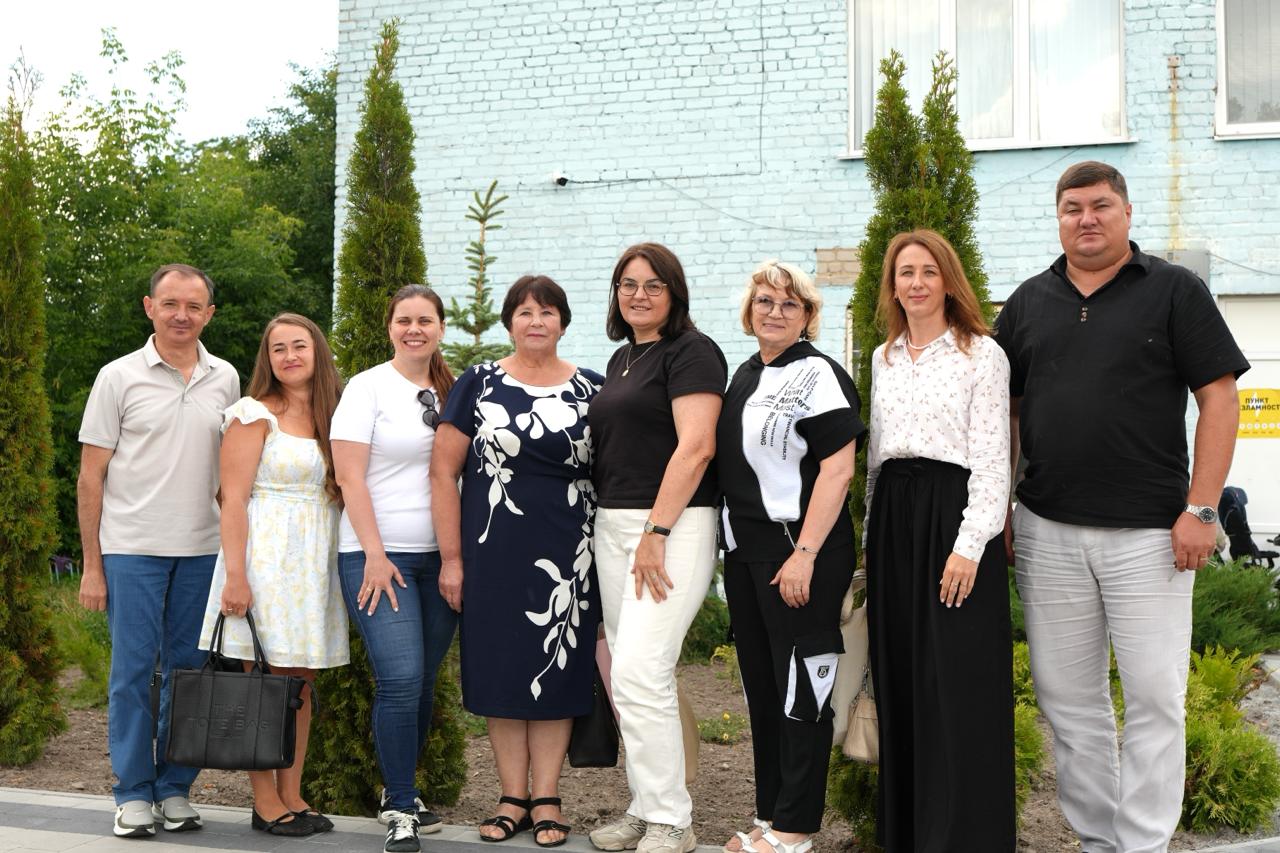
For initiative groups in Luhyny, Ruzhyn, and Krynychky, the mentoring also focused on the transition from an informal initiative group to a formally registered civil society organization. “It is important to maintain ongoing support for these initiative groups so that their journey from an informal team to a civil society organization becomes a story of organizational growth and the development of local initiative,” said mentor Iryna Tkachenko, speaking about the Berehyni Ridnoho Kraiu initiative group.
Through mentoring support, we are strengthening those already taking action in their communities — helping organizations build their internal capacity, develop partnerships with local authorities and residents, and play a more active role in decisions that shape their communities' future.
The U-RESTORE project is implemented by Cowater Ukraine in partnership with ISAR Ednannia and the Ukrainian Women’s Fund, with financial support from Global Affairs Canada.