Home
Home
ISAR Ednannia Joins the National Council for Barrier-Free Environment
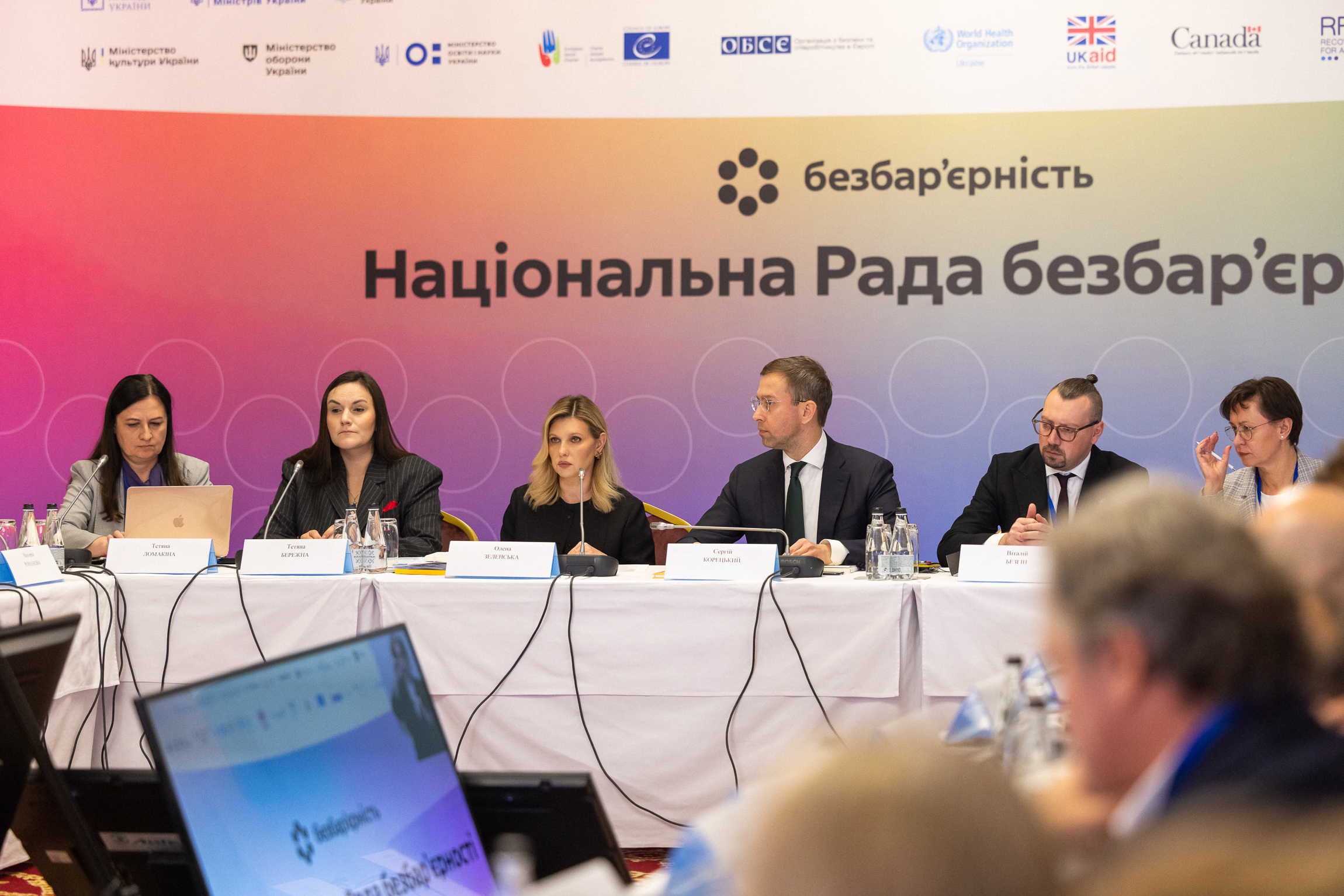
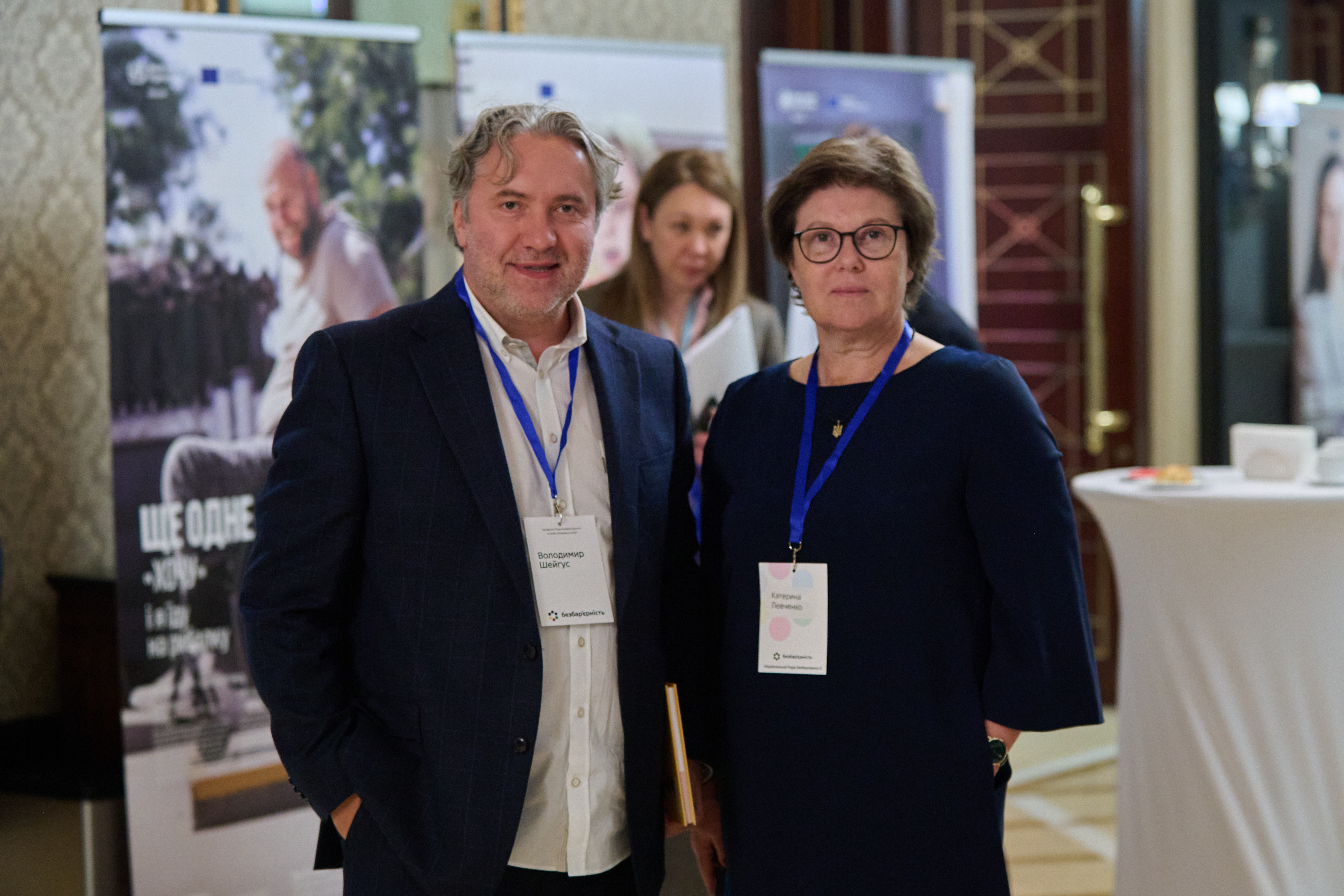
On September 29, Volodymyr Sheihus, Executive Director of ISAR Ednannia, took part in a meeting of the National Council for Barrier-Free Environment, representing civil society and charitable organizations working on accessibility and social services.
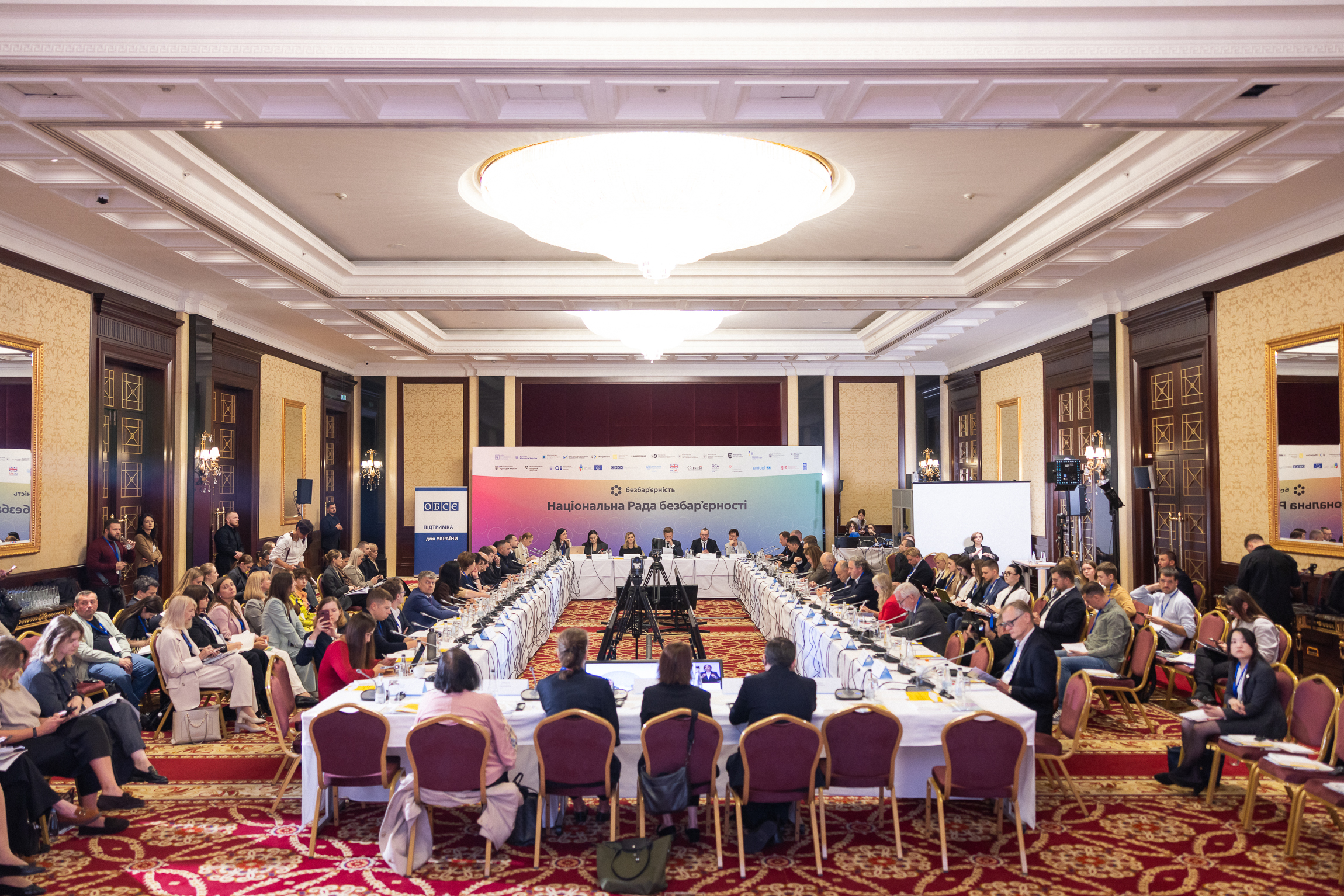
Chaired by Prime Minister of Ukraine Serhii Koretskyi, the meeting reviewed progress under the 2025–2026 Action Plan, priorities for the remainder of the year, and the implementation of flagship projects. The discussion covered accessible routes and public spaces, education and employment, accessible communication, support for veterans, and opportunities for young people.
Active civil society engagement is essential to coordinating these efforts and monitoring the implementation of decisions.
ISAR Ednannia supports civil society organizations working to advance accessibility and inclusion at different levels.
At the national policy level, with support from the Askold and Dir Fund, Norad and Sida, our grantees advocate for policy change, monitor implementation, and contribute to policy development and legislative reform.
• The Center for Expert Solutions and Advocacy has brought together a coalition of CSOs advocating for accessibility and developing independent monitoring of government policy in this area.
• The League of the Strong has developed proposals for regulations related to the rights of people with disabilities, with its recommendations reflected in government decisions on reasonable accommodation and universal design.
• Future for Ukraine conducted a comprehensive assessment of accessibility for veterans with limb loss. The findings are being used to inform advocacy for greater accessibility and inclusion of veterans.
At the local level, with support from GlobalGiving, our grantees are developing practical solutions that expand opportunities for people.
• NGO World of Silence trains public-sector professionals in Ukrainian Sign Language and works to improve access to services for deaf people.
• Tvorchi Charity Foundation has established an inclusive barista school in Khmelnytskyi, providing young people with disabilities with an opportunity to gain professional skills and practical experience.
These are just a few examples of how civil society contributes to policymaking, monitors implementation, and turns accessibility and inclusion into practical solutions in communities.
New rounds of grant competitions supporting barrier-free initiatives will be announced soon. Stay tuned for updates.
HOW DO PEOPLE SEE THEIR COMMUNITY? Presentation of the results of the second wave of the Community Development Success Index research
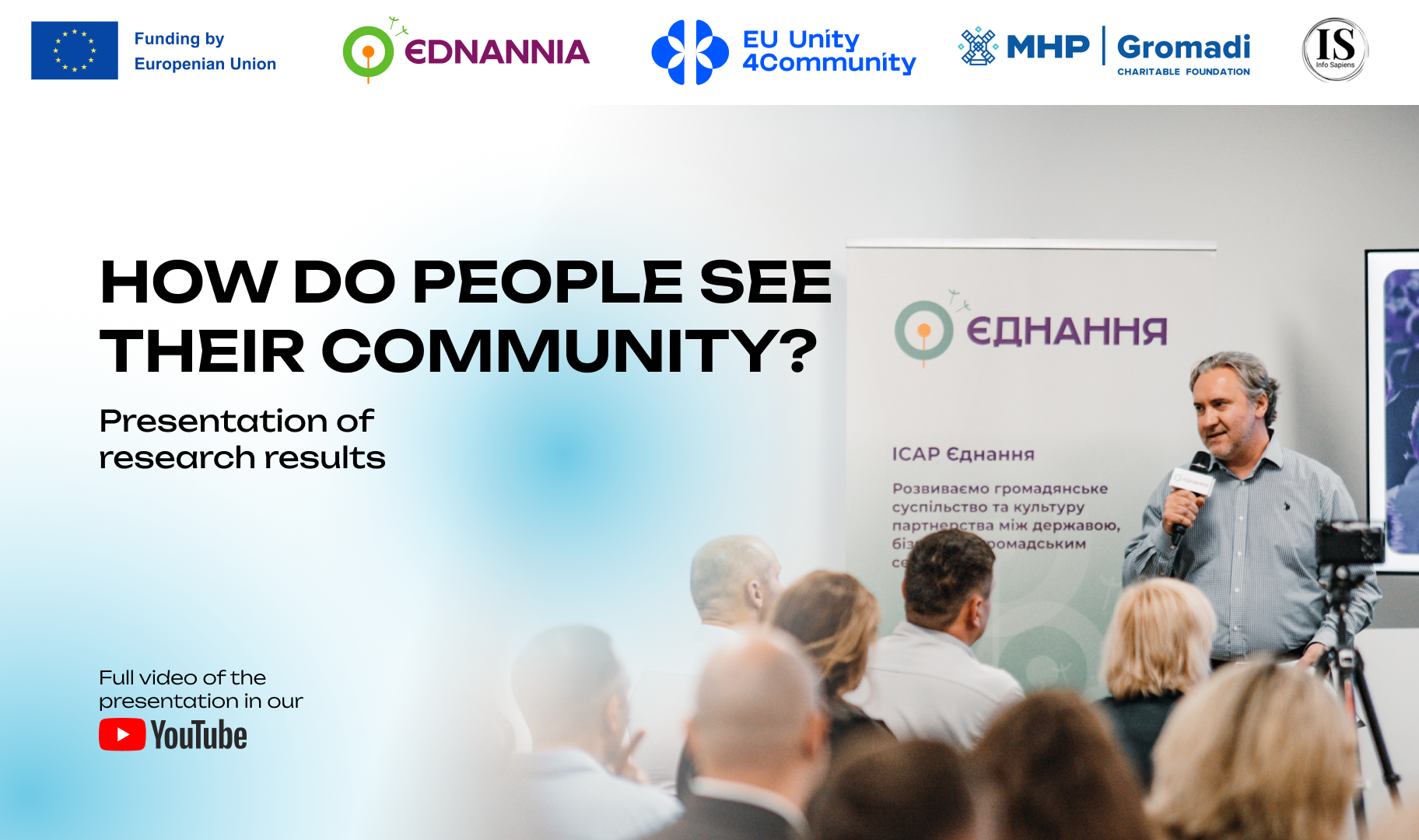
Numbers don't always show what life in a community is really like. That's why the Community Development Success Index measures a community's development through statistics and through how residents themselves rate their living conditions, opportunities and the changes around them.
ISAR Ednannia, the MHP-Hromadi Charitable Foundation and Info Sapiens presented the results of the second wave of the Index. The study covered seven communities:
📍 Budyshchenska, Kalynopilska and Stepanetska in Cherkasy region;
📍 Makarivska and Yahotynska in Kyiv region;
📍 Ladyzhynska in Vinnytsia region;
📍 Petrykivska in Dnipropetrovsk region.
Maksym Mashliakivskyi, the study's methodology expert and a consultant at Info Sapiens, explains how security, the social sphere, civil society, the economy, trust in local authorities and infrastructure are assessed.
In the recording:
✔️ the methodology: statistics, surveys and more than 60 indicators;
✔️ which areas have the greatest impact on a community's success;
✔️ overall results for the seven communities and problem areas;
✔️ how communities can measure the Index on their own and use the data for strategic planning.
"The Index gives each community an opportunity to see itself through the eyes of its own residents," says Maksym Mashliakivskyi.
Local self-government bodies, donors and civil society organisations can use the Index results to update strategies, set priorities and plan local development.
▶️ Watch the full recording: https://www.youtube.com/watch?v=D0U4h5yihlE
📖 Learn more about the study: https://ednannia.ua/en/news/13708-second-wave-of-the-community-development-success-index-what-makes-a-community-successful-for-its-residents
Thanks to a "Repair Café" in Kharkiv, Things Get a Second Life — and People Get New Skills
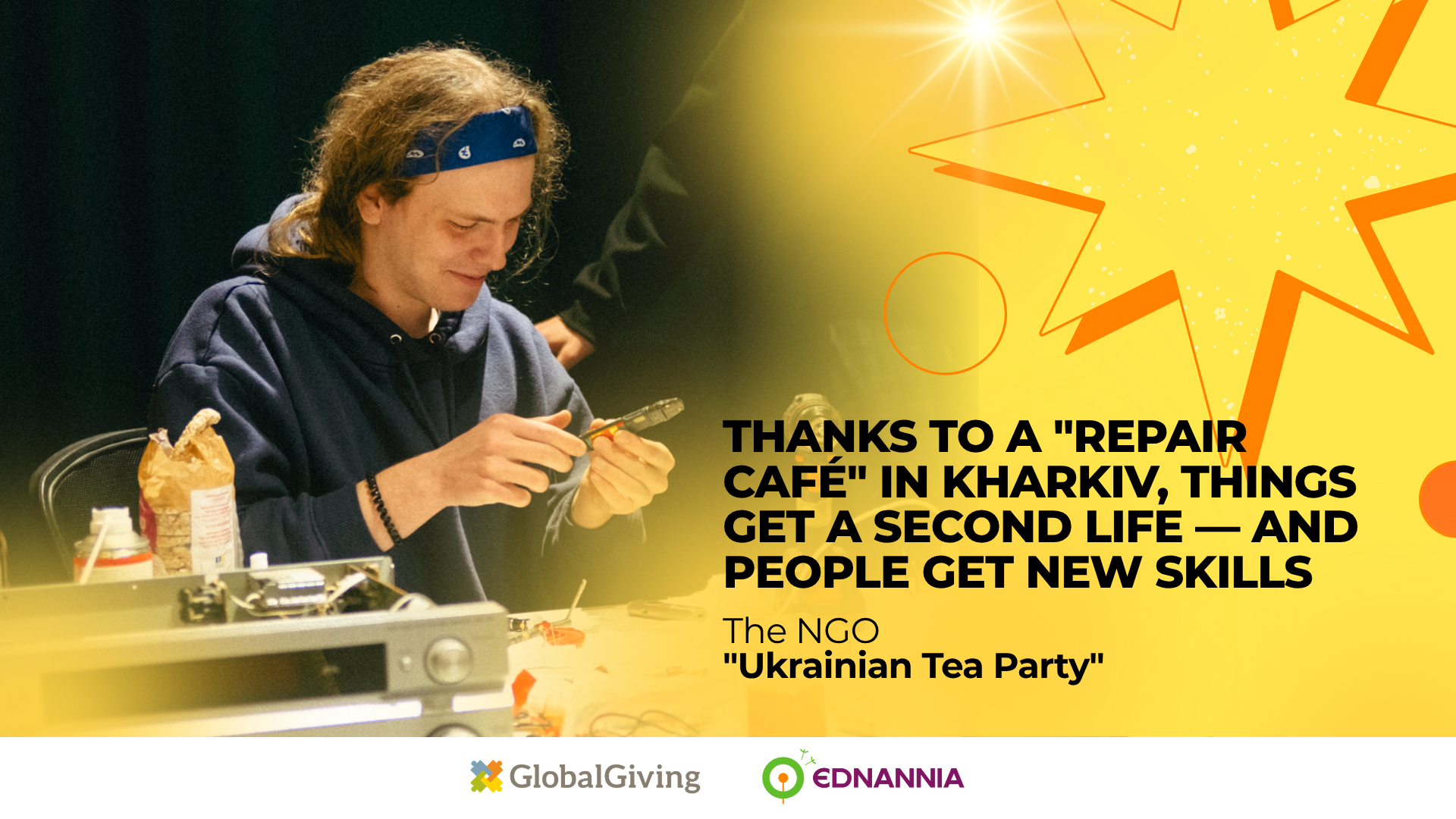
Since the start of the full-scale war, silence has become a luxury in Kharkiv, and every loud sound makes hearts skip a beat while people wait to see whether it's a missile, a shell, or a drone. But the workshop space on Honcharivskyi Boulevard sounds different: the hum of a 3D printer, the clatter of a sewing machine, the voices of people who came not to lose things, but to save them... It was here, in spring and summer 2026, that a place called the "repair café" appeared, thanks to an initiative by caring Kharkiv residents from the NGO "Ukrainian Tea Party." Here, anyone can restore a broken item under the guidance of an experienced craftsman or craftswoman, with the right tools and equipment on hand.
And although the idea isn't unique — and about the only things a genuine café would offer here are unlimited conversation and instant coffee — the chance to fix something with your own hands instead of throwing it away is deeply valuable. Especially in a country where something is destroyed every single day: from buildings and businesses to lives and futures. So as soon as the idea won support from the "Sparks of Communities" grant competition by ISAR Ednannia and GlobalGiving, Kharkiv activists began searching for craftspeople across various repair specialties (from small home appliances to bicycles and furniture) and collecting repair requests from community members. With support from the "DRUK" cultural and community center and the open workshop "Ihrashkova," the plan was to hold eight large-scale repair events. But at ISAR Ednannia's suggestion, the project team shifted focus, choosing individual support over the number of events. This allowed more time for complex cases and turned quick fixes into genuine mentorship.
Grant funds were used to purchase equipment that had been missing, and now the workshop has everything: from a welding machine to a 3D printer that prints parts for retro devices. Oleksandra Shchur, co-founder of "Ihrashkova," emphasizes that the project's goal isn't service — it's skill transfer: when a person looks under the hood of their gadget and understands how it works, they stop treating things as disposable plastic. It's a shift in mindset that starts with your own shelf at home. And for a city whose logistics are already strained by the war, it's also a matter of survival.
Over four months, participants repaired a huge variety of items, and each one has its own story. A globe-shaped chest brought someone's family memories back. Eight repaired bicycles gave people mobility in a city with limited transportation options. Three owners of headphones now listen to music or audiobooks instead of the whistle of shells. More than ten table lamps, four film cameras, a lighting controller, clothing — over 4 months, more than 70 Kharkiv residents came to the café, whose belongings got a second life, and who themselves gained a sense of calm and balance that working with your hands brings.
And really, it's not about the numbers at all. People kept coming back, brought their friends, became part of the community. The project proved that solidarity among Kharkiv residents is built on creating together. A culture of repair is the antithesis of destruction. It's a culture of the future, where skill reigns instead of helplessness, and mutual support replaces loneliness.
Second Wave of the Community Development Success Index: What Makes a Community Successful for Its Residents?
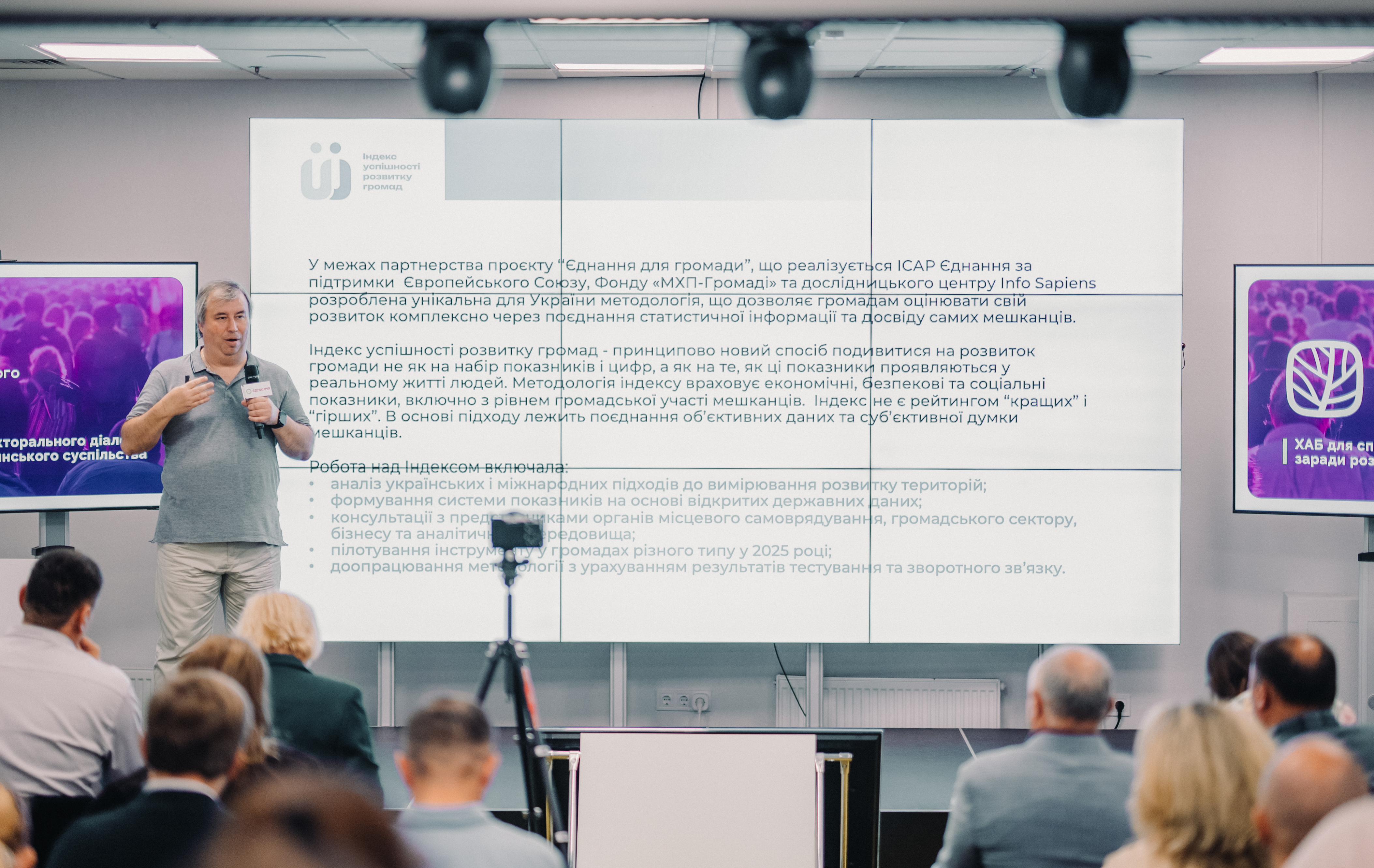
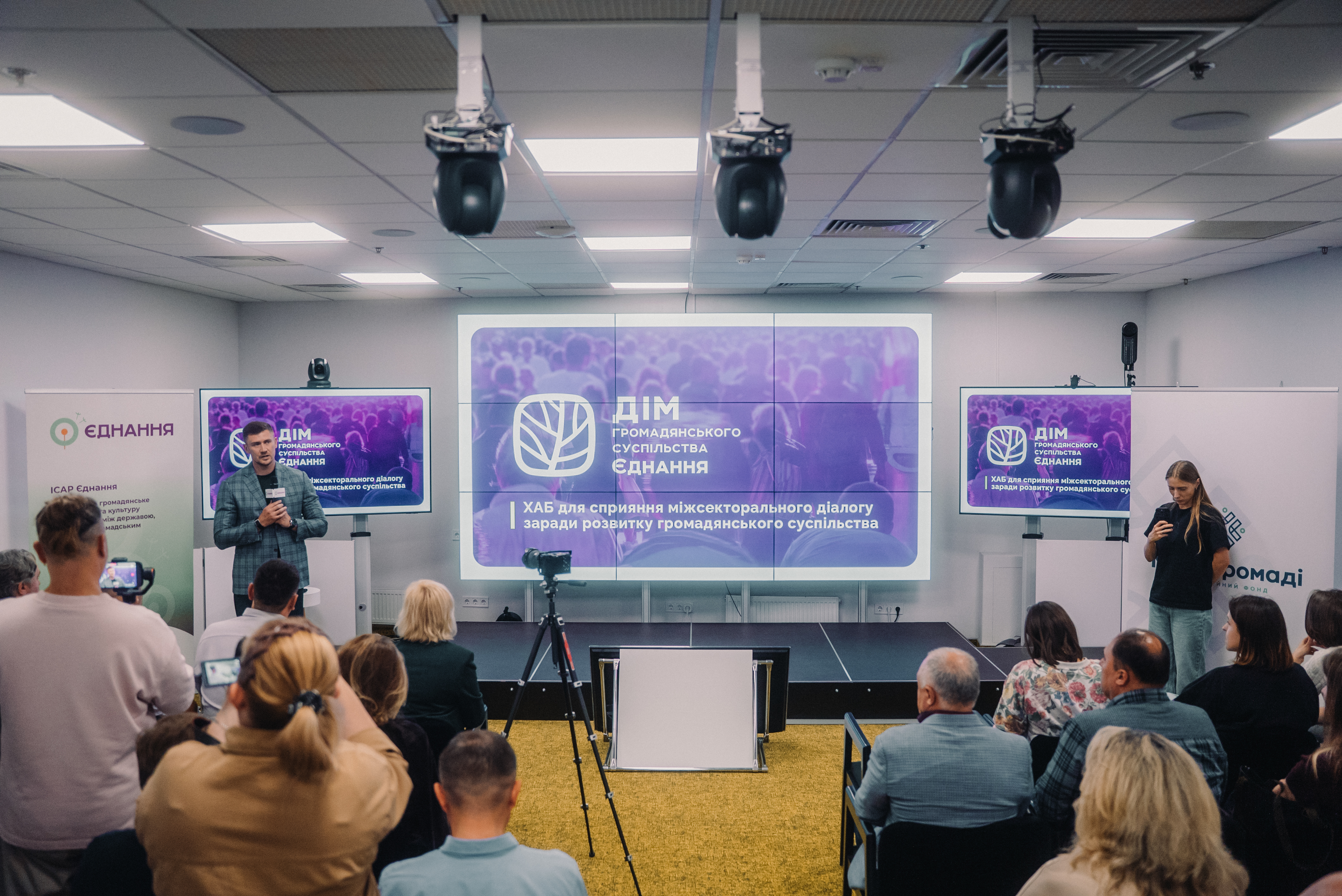
On 21 September, the results of the second wave of the Community Development Success Index were presented in Kyiv. The study assesses community development not only through statistical indicators, but also through how residents themselves perceive living conditions, opportunities and changes in their communities. The presentation brought together representatives of local self-government and national government, civil society and international organisations and programmes, businesses, research and academic institutions, as well as independent experts in local development. Experts presented the strengths and key challenges identified in the communities covered by the study, the factors influencing how residents assess their community’s success, and ways in which the Index can be used for local development planning.
The second wave of the study covered seven communities across four regions of Ukraine: Budyshchenska, Kalynopilska and Stepanetska communities in Cherkasy region; Makarivska and Yahotynska communities in Kyiv region; Ladyzhynska community in Vinnytsia region; and Petrikivska community in Dnipropetrovsk region. The Index focuses on five key areas of development: the economy, quality of governance, security, the social environment, and civic participation.
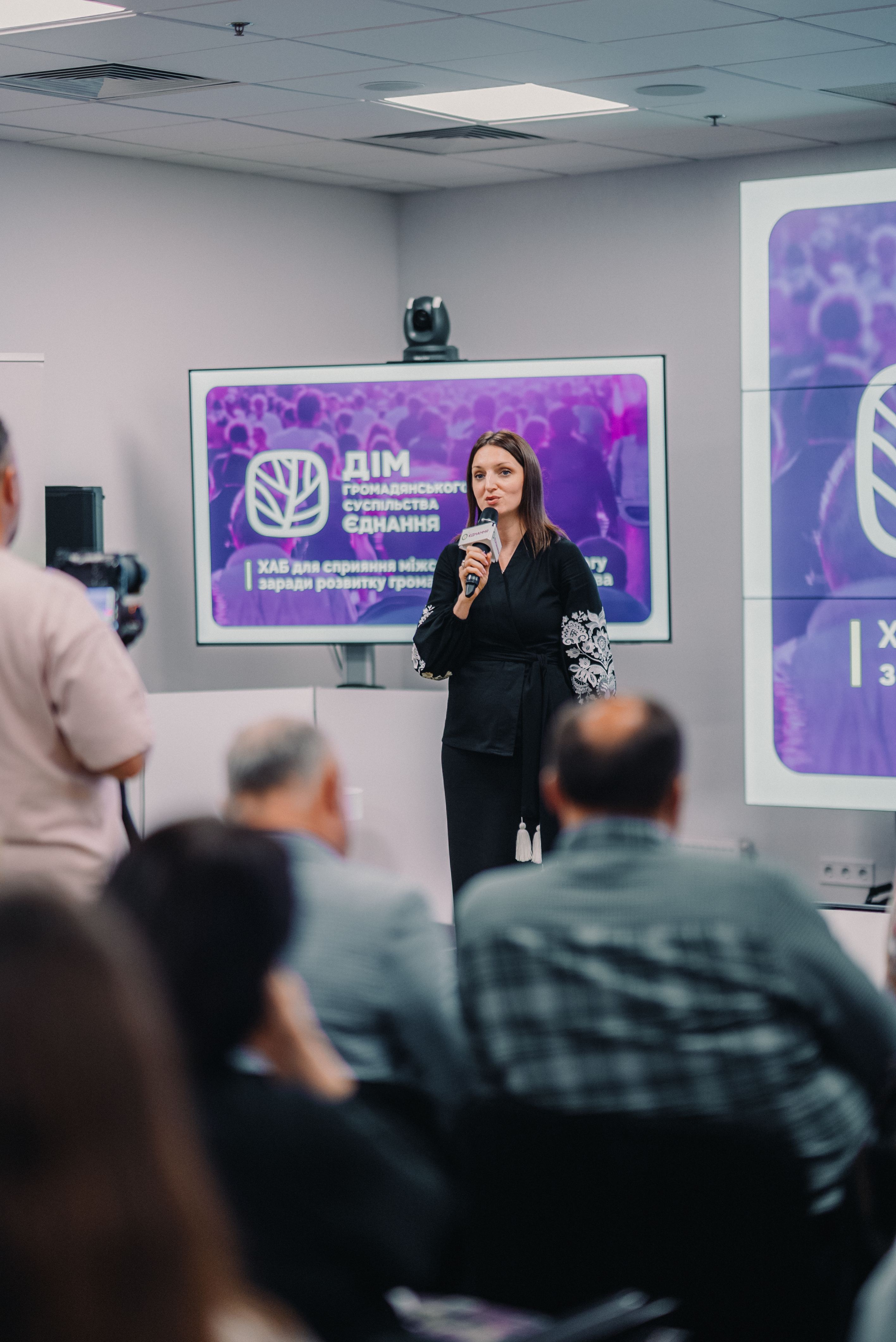
“Civil society and social cohesion account for 15% of a community’s overall success and rank among the three most influential areas, alongside security and the social sphere. This means that investing in people’s civic engagement, trust and local organisations is, in fact, an investment in a community’s capacity to develop,” said Volodymyr Sheyhus, Executive Director of ISAR Ednannia. Participants also discussed how to turn research findings into practical steps — through updating strategies, setting priorities and planning local development. This approach reflects key principles of Ukraine’s European integration path: transparency, accountability and measurable decision-making at every level.
“The Index is not about comparing communities with one another. It gives each community an opportunity to see itself through the eyes of its own residents. Every community has its own context, resources and challenges. What matters to us is to show communities how they are perceived by the people who live there, because this influences whether people will want to stay, invest in their community and take part in its life,” explained Maksym Mashliakivskyi, the study’s methodology expert and a consultant at Info Sapiens.
The Index offers a shift from intuitive decision-making towards evidence-based governance. It can be used by local authorities, donors, businesses and civil society organisations as a shared framework for assessment, planning and cooperation. The second wave of the study expanded the number of communities with access to this type of data and demonstrated that the tool can be applied in territories with different experiences and challenges.
The Index was developed by ISAR Ednannia and the MHP-Hromadi Charitable Foundation, in partnership with the research centre Info Sapiens, with the support of the European Union in Ukraine as part of the "Ednannia for Communities" project partnership.